
Pathetic, Aged, Revered
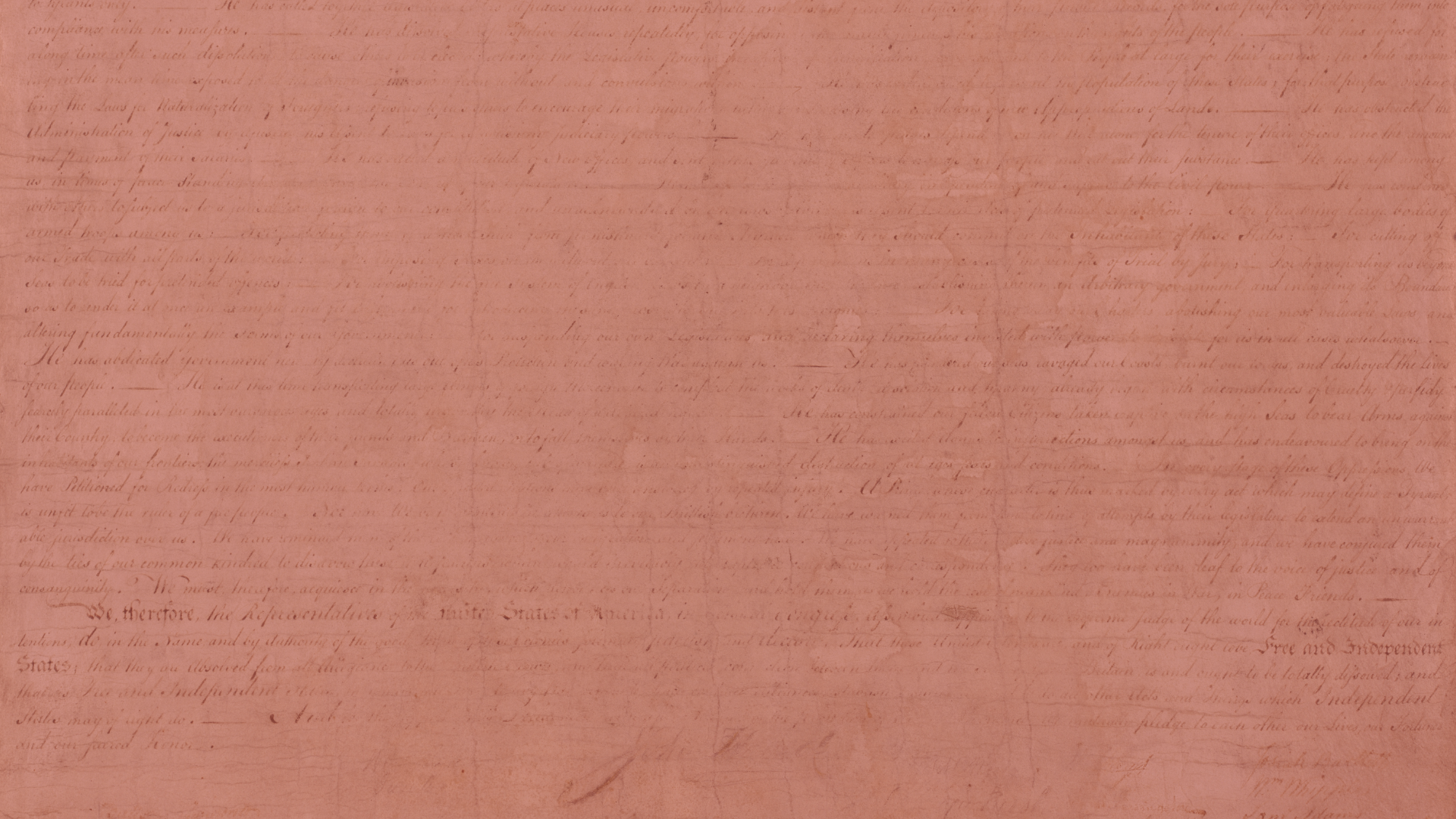
The parchment’s presence in Philadelphia in 1876 highlighted the challenges that the signers left for future generations
On View in 2026
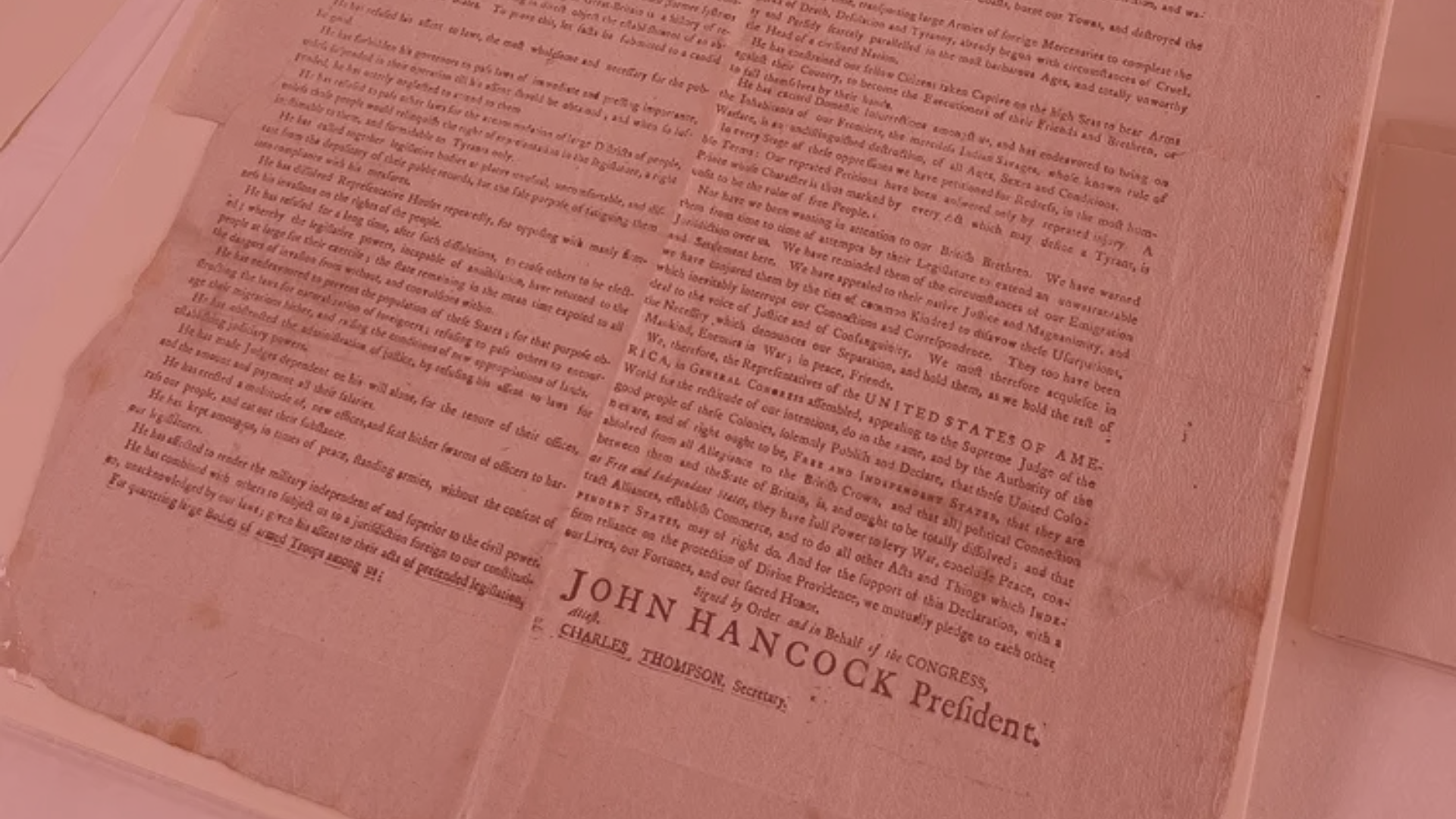
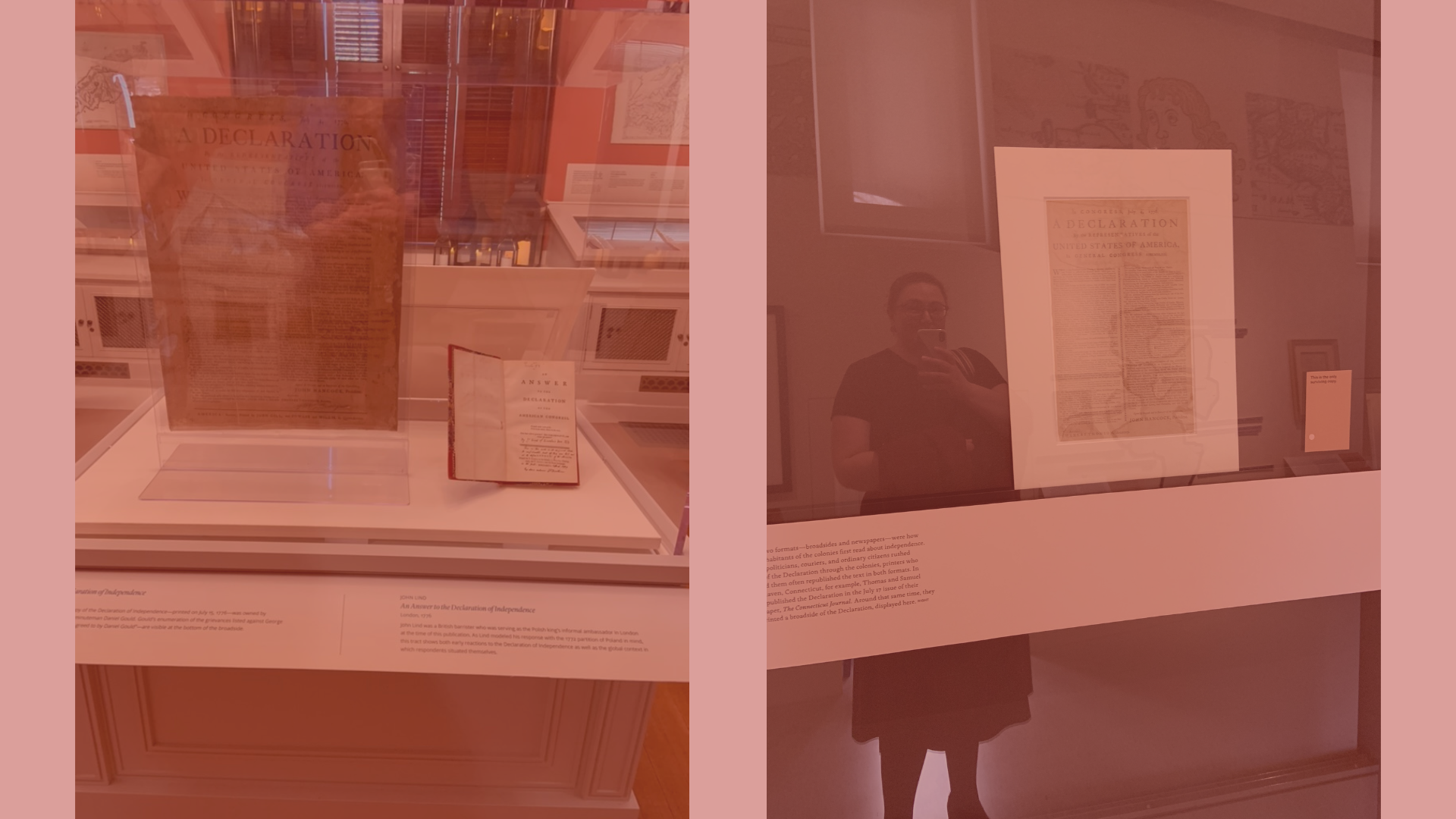
A roundup of some of the museums, libraries, and historical societies where you can see early handwritten and printed copies of the Declaration of Independence
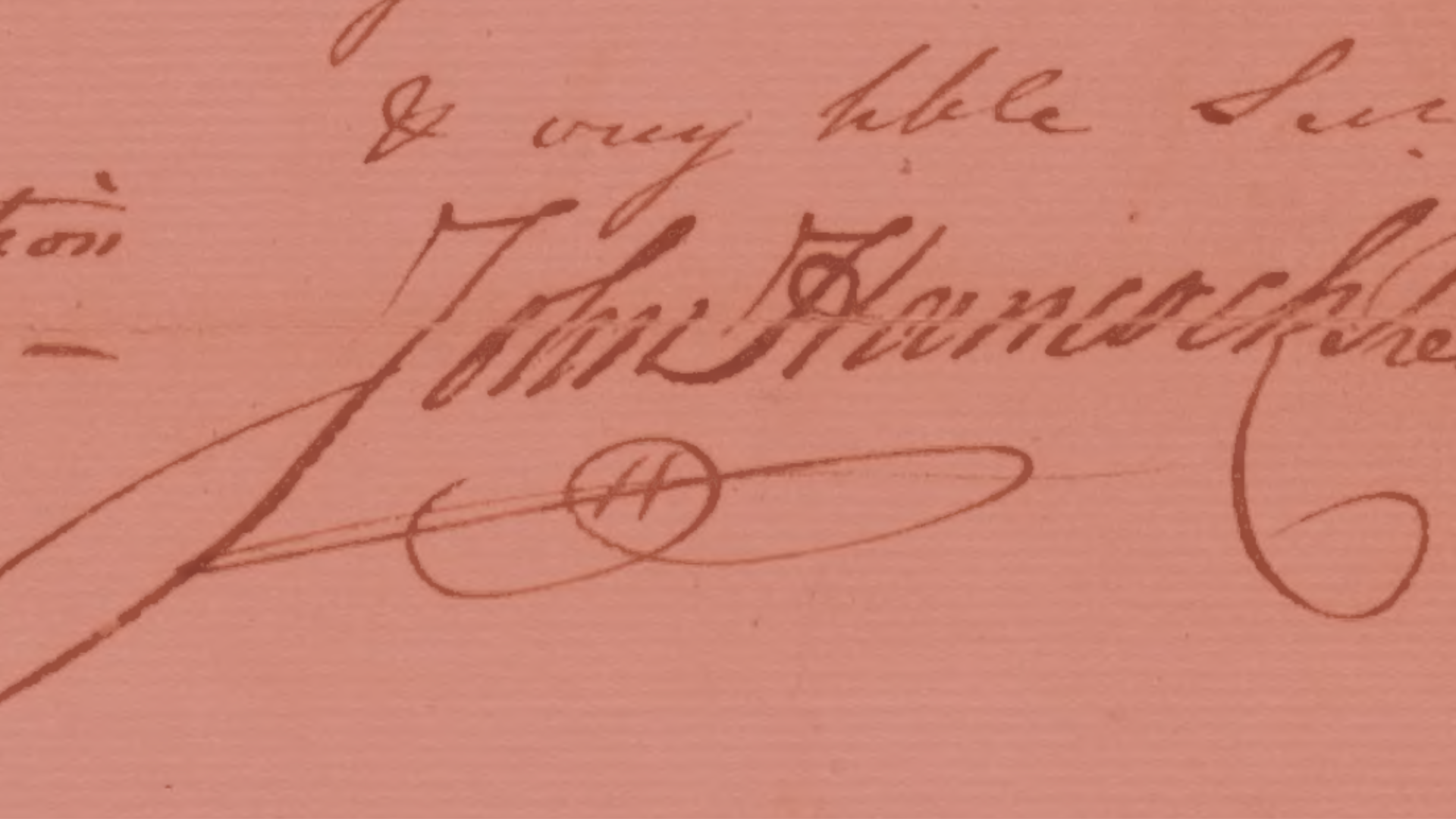
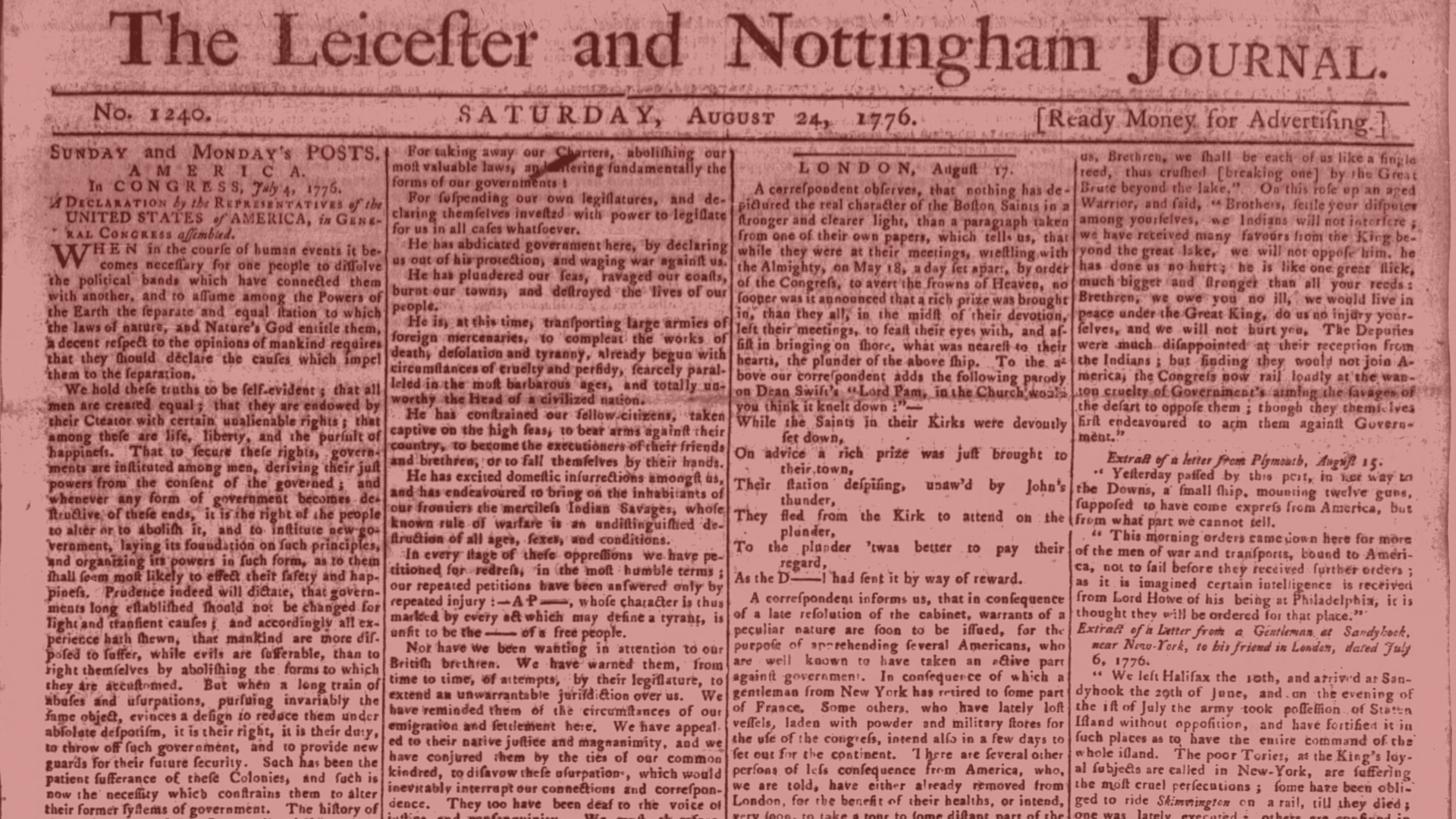
Immediate Descendants
The “American Rebels” were the direct descendants of Oliver Cromwell
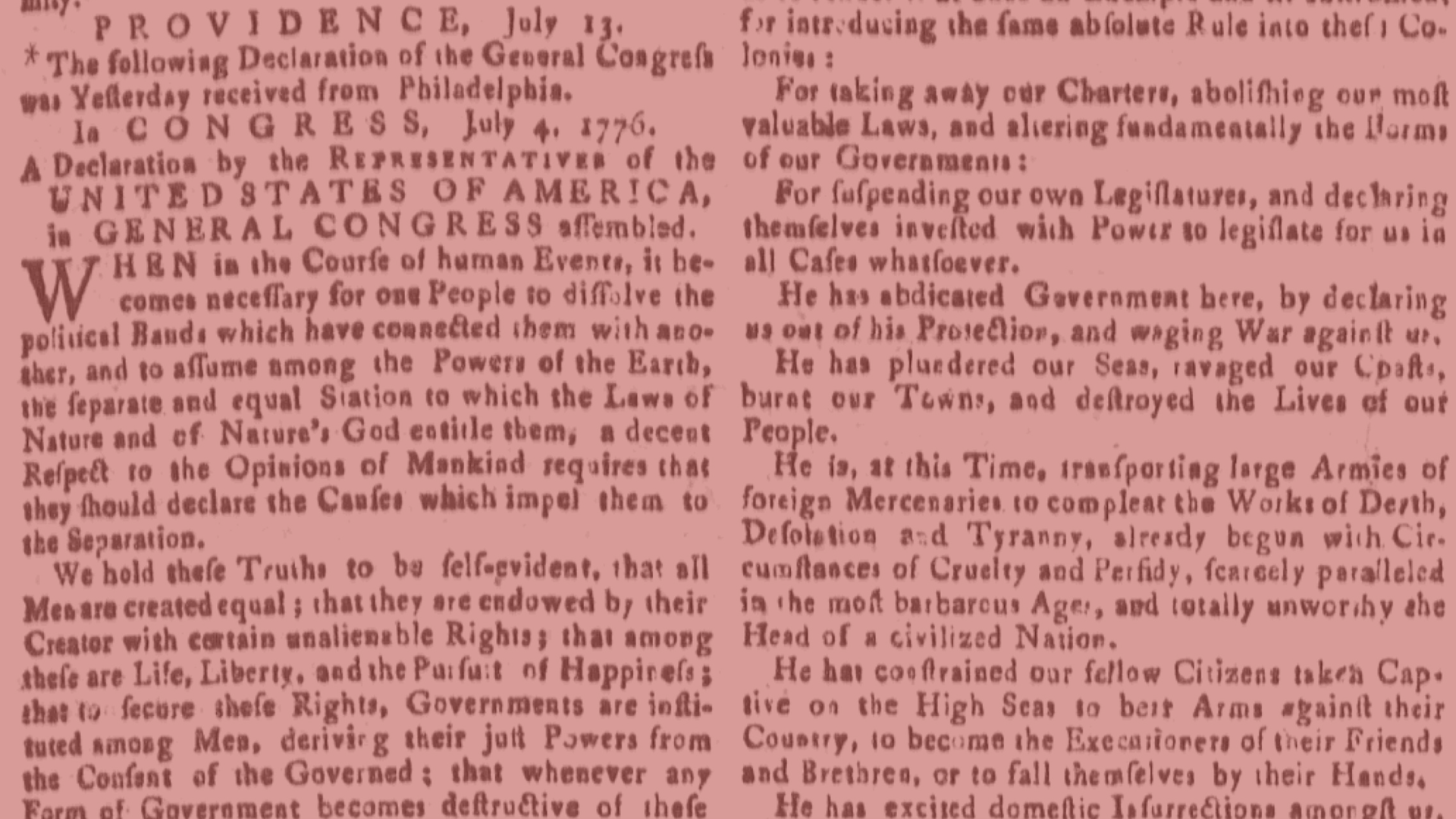
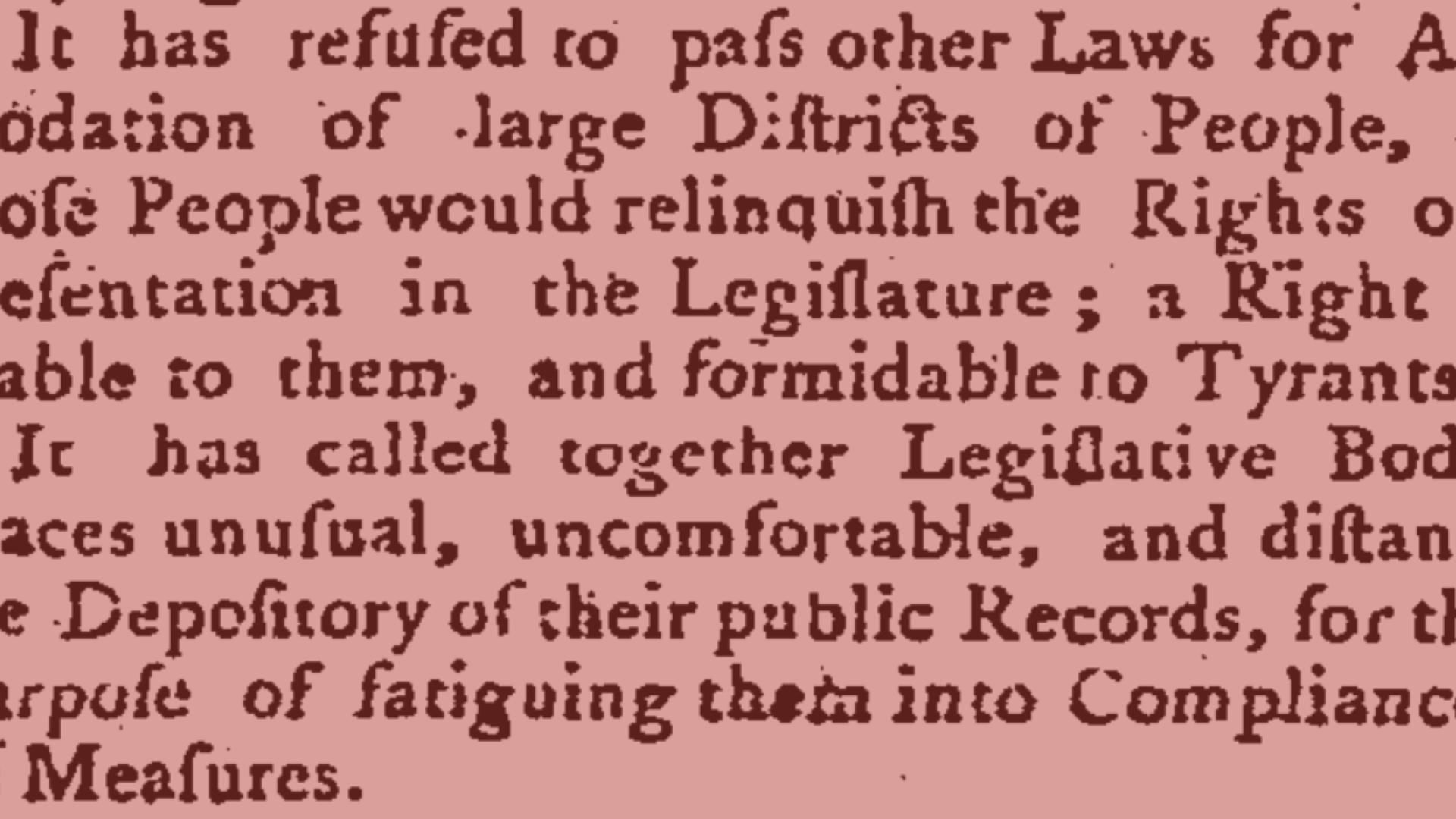
Long Suspected
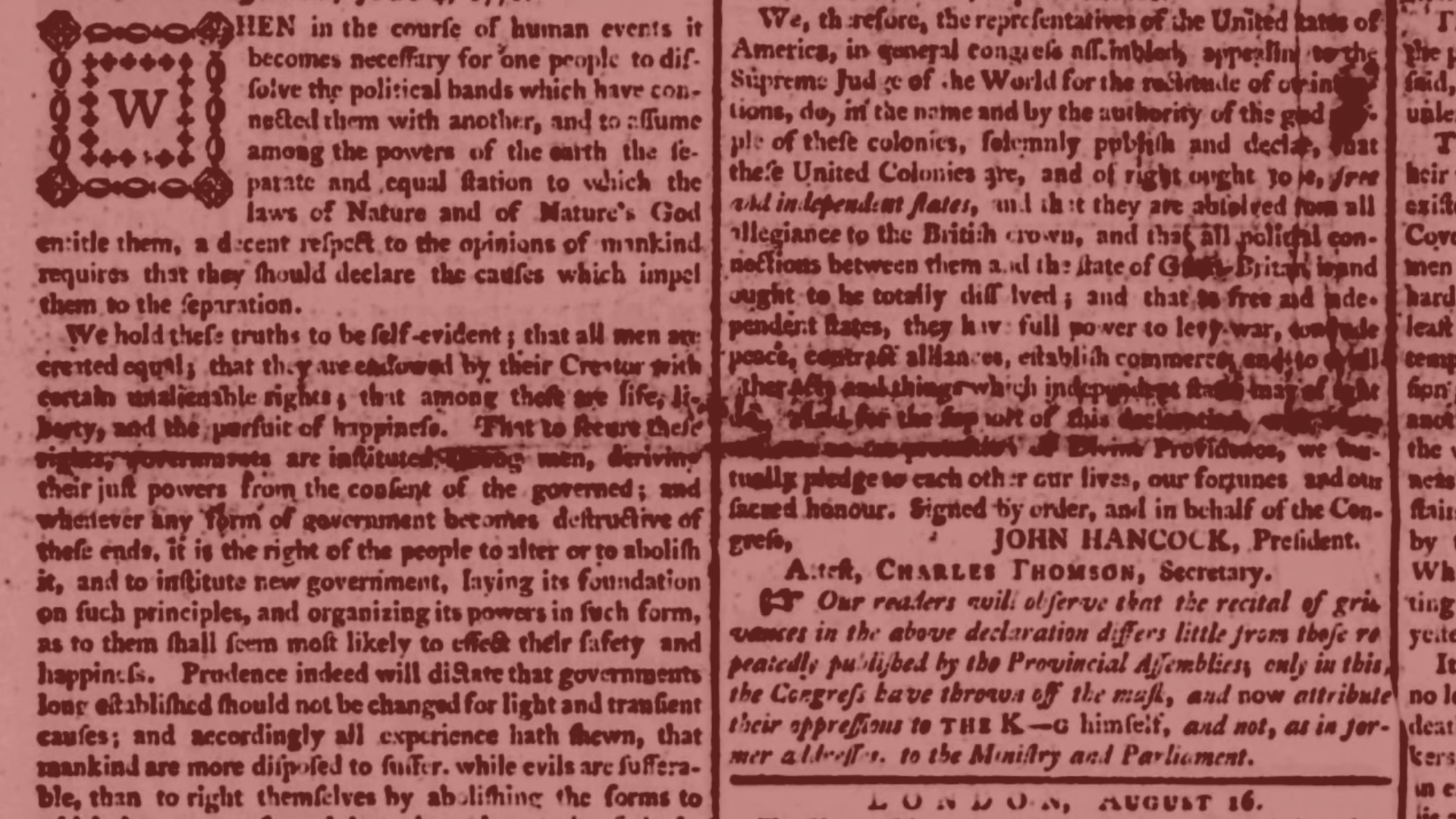
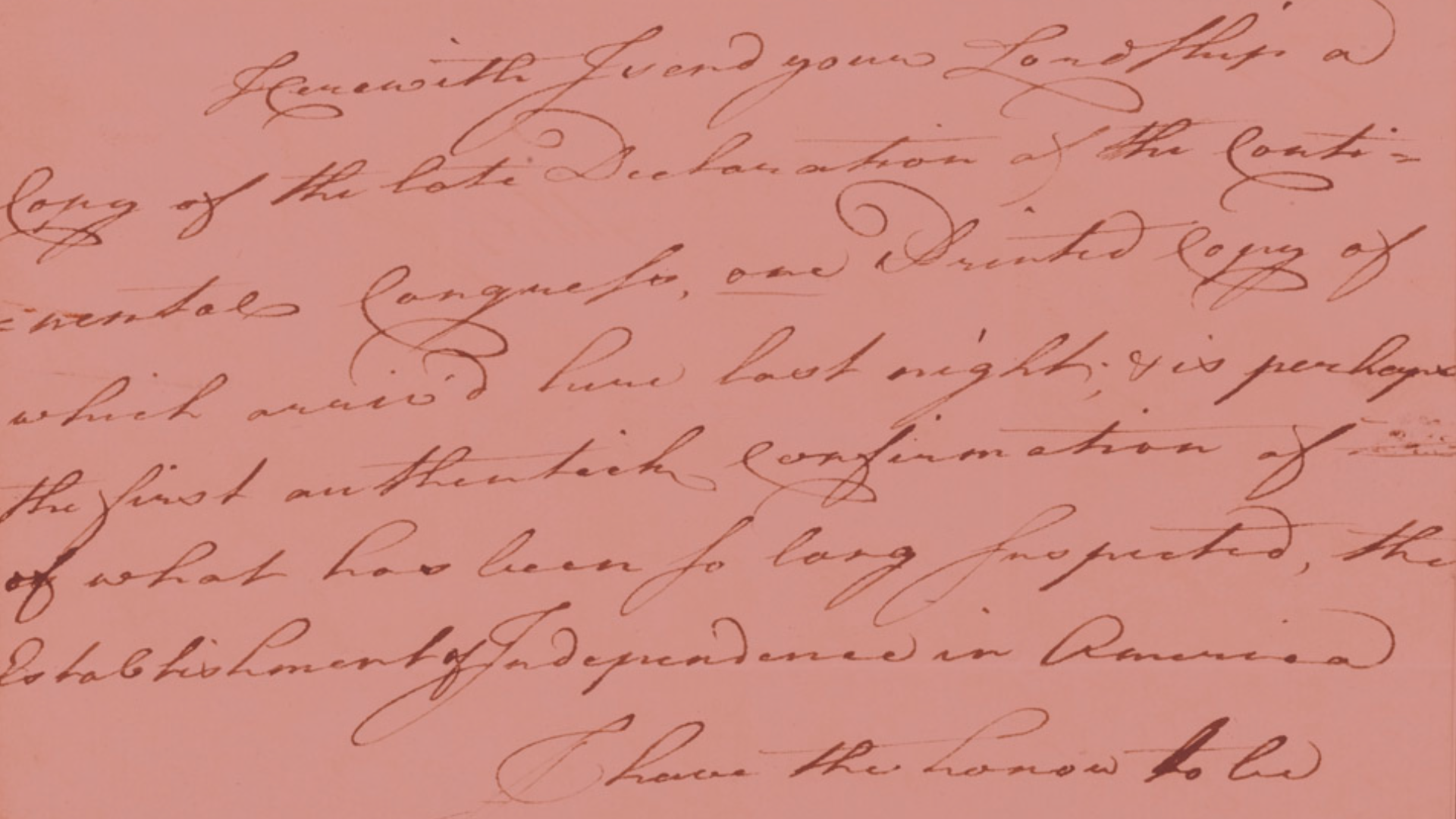
The Declaration quickly became cargo for British ships and ammunition for British commentators
The Original
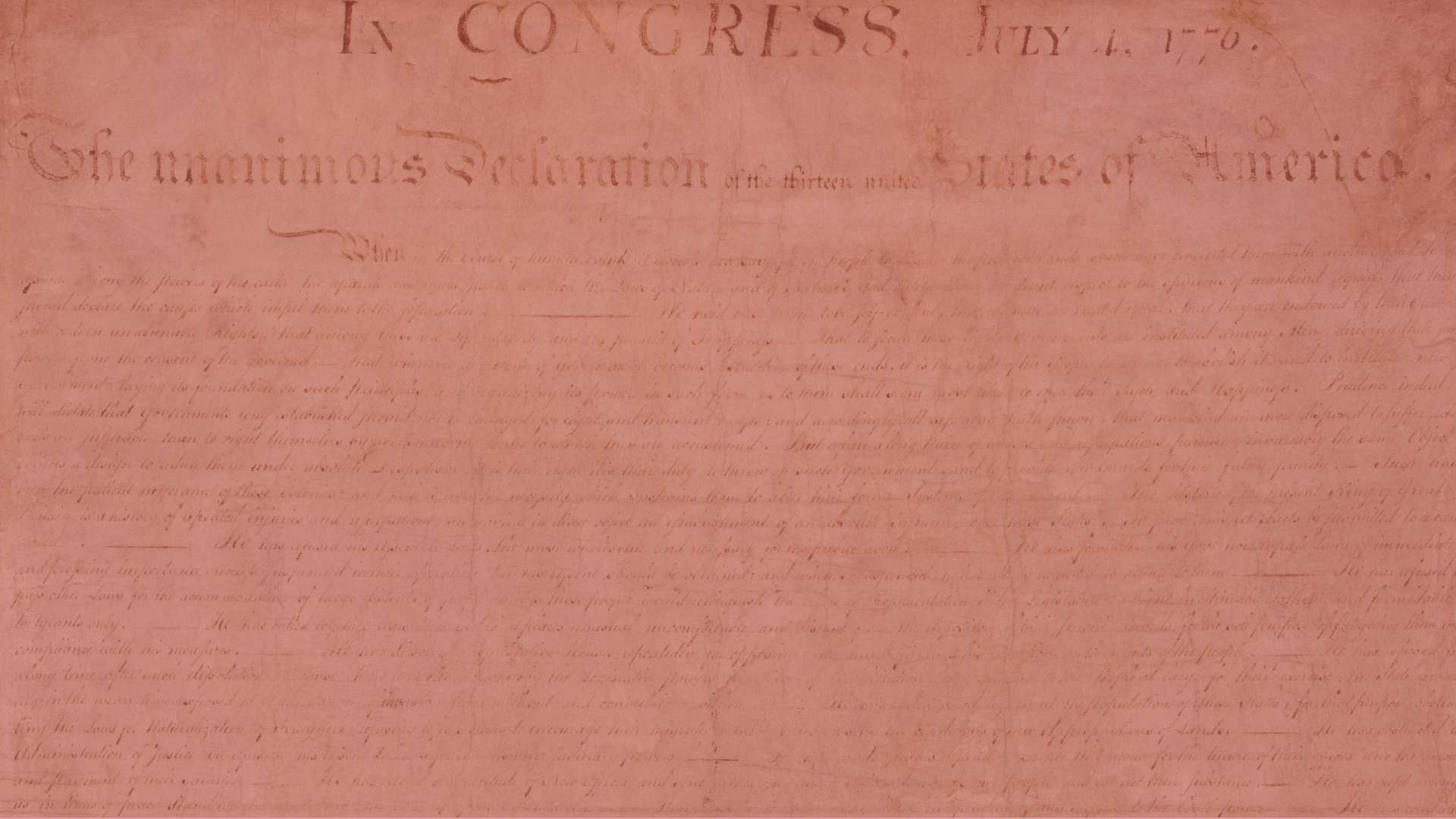
When people think about the Declaration of Independence, they think about Thomas Jefferson, and they think about the signing
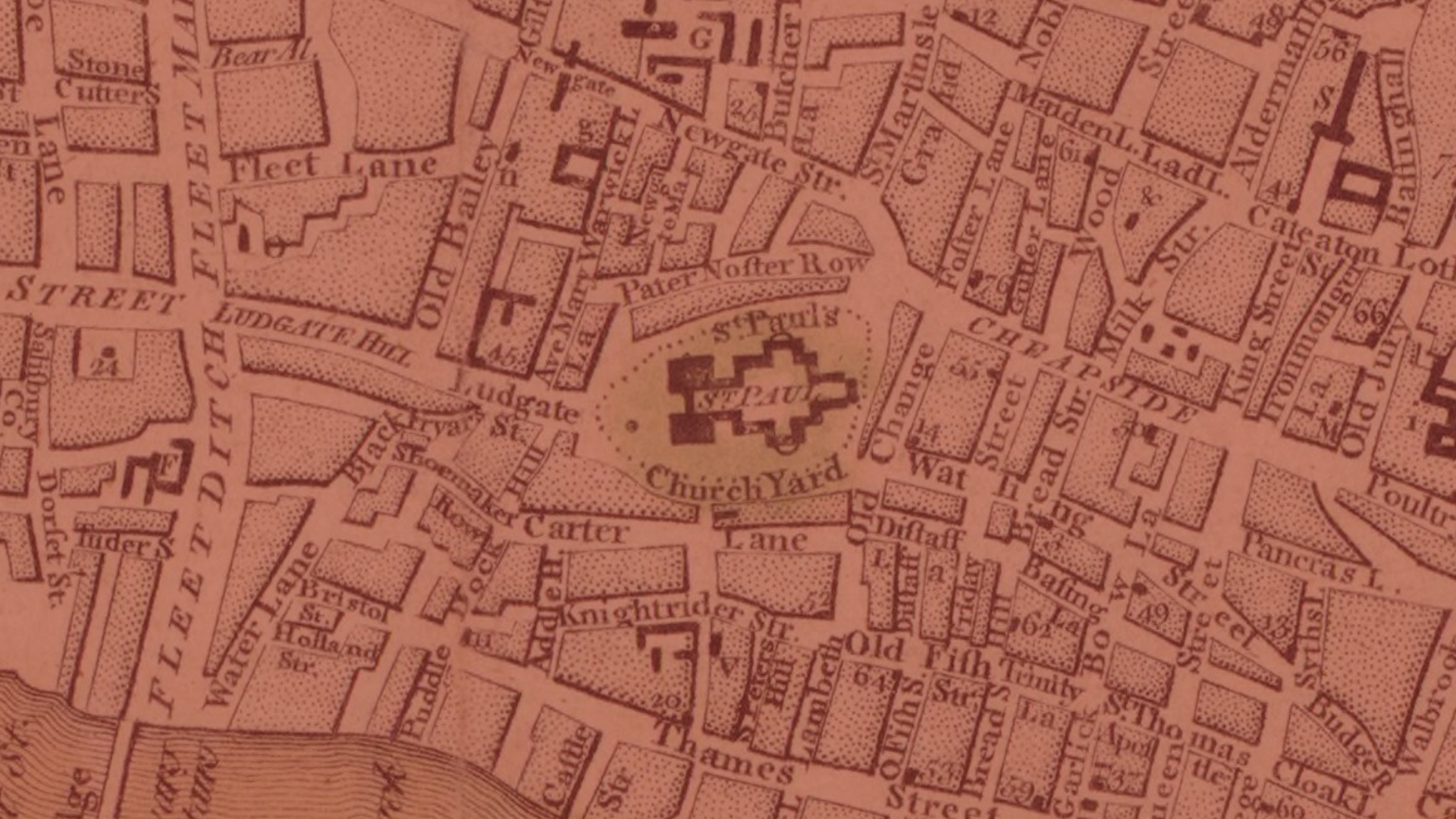
The Other Mary
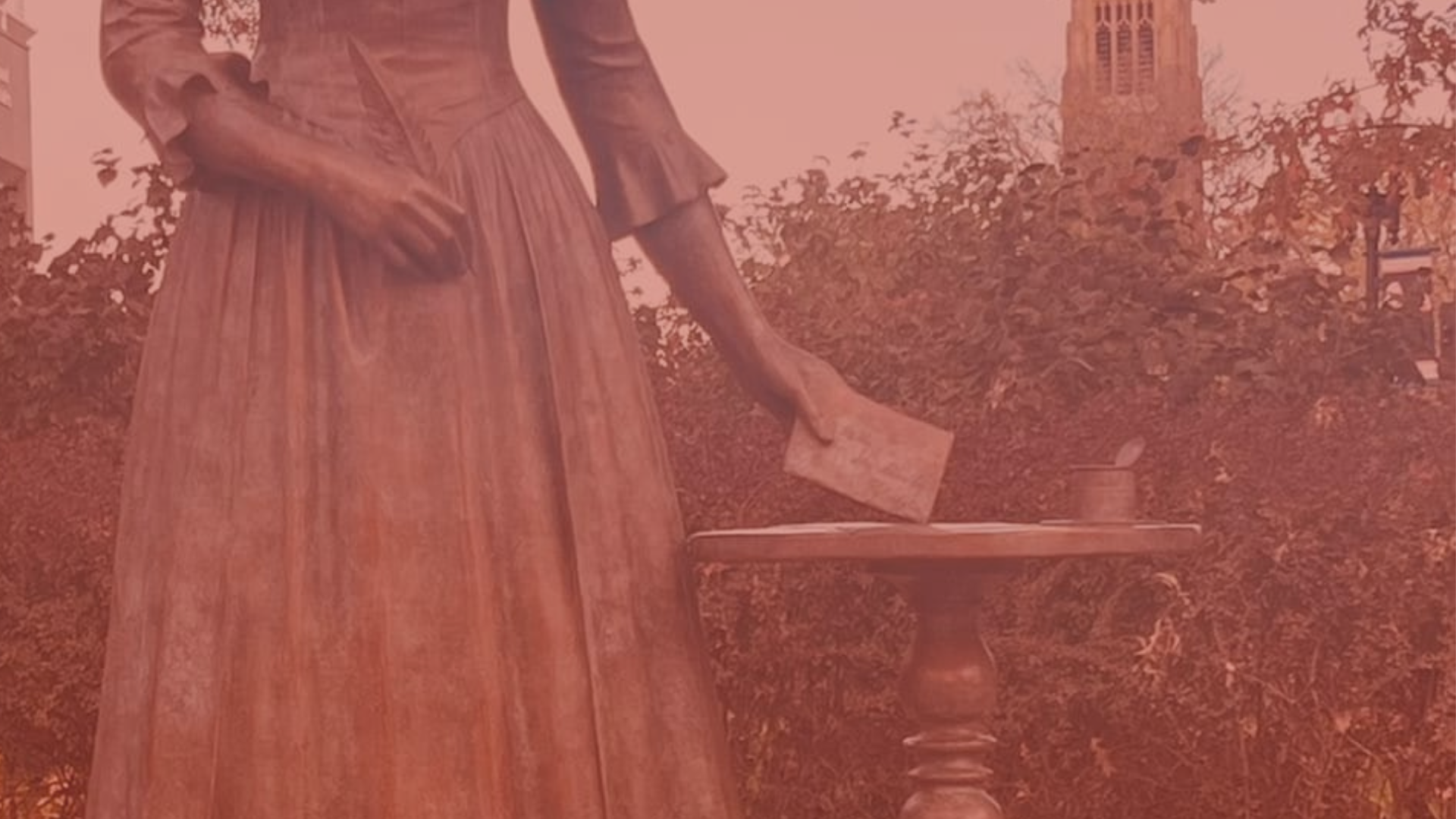
Mary Say’s treatment of the Declaration would have shocked Mary Katharine Goddard
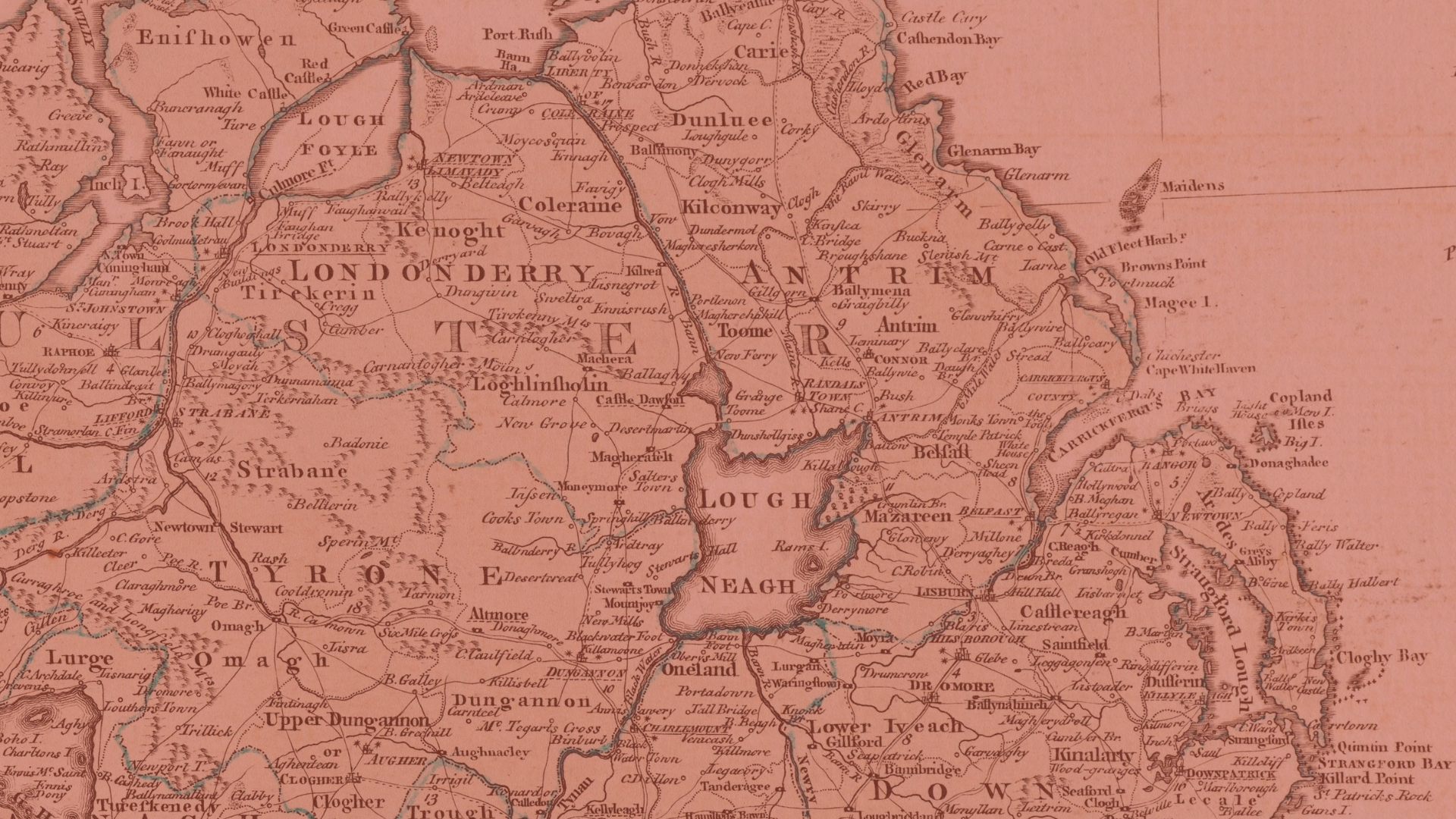
First London, Then Belfast
As the Declaration traveled from Philadelphia to New York to London to Belfast, John Dunlap’s name was left behind
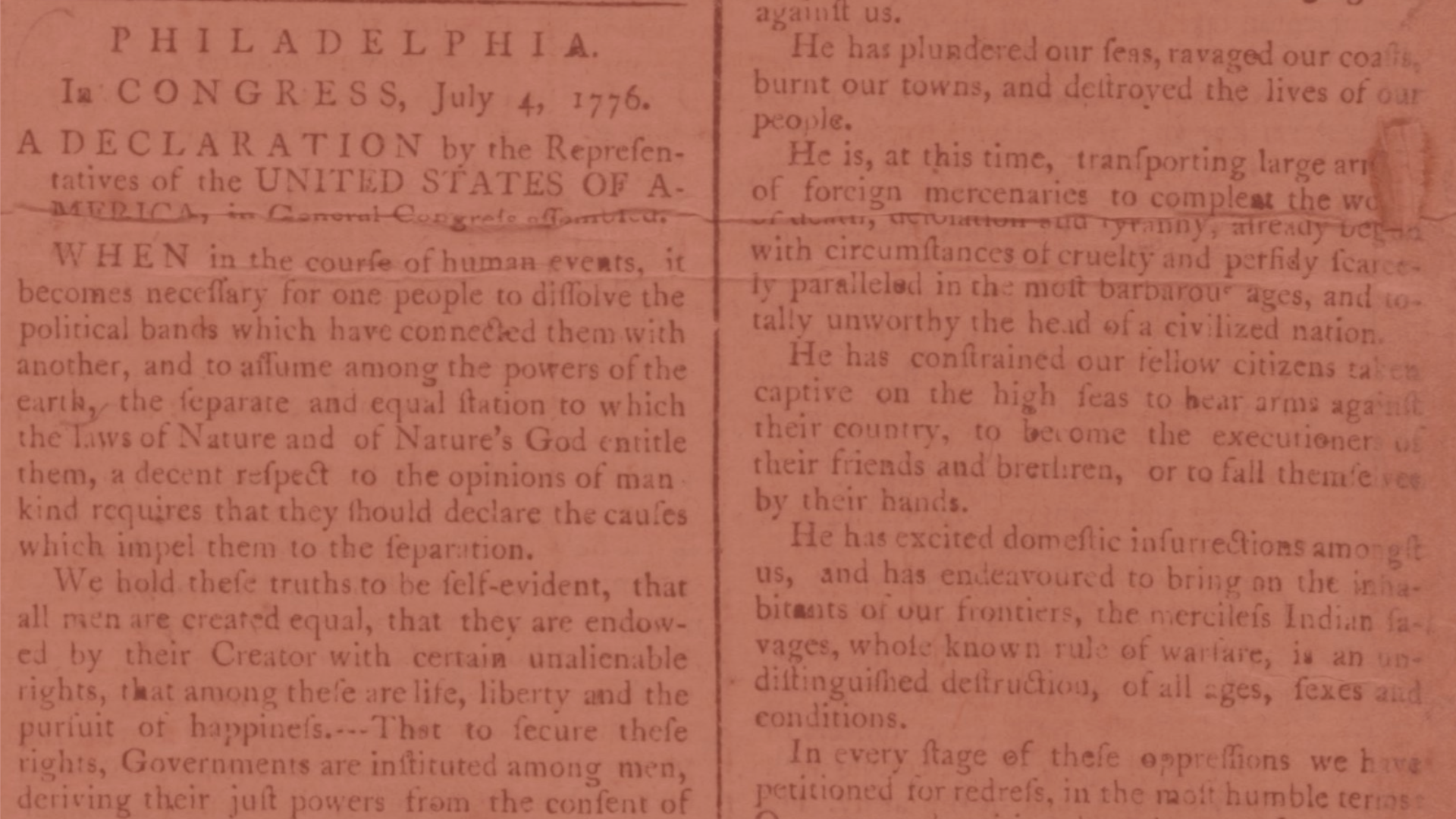
Liberty of the Press
Samuel Loudon’s experience of a mob storming his house and burning his pamphlets showed how printers could be held responsible for their products
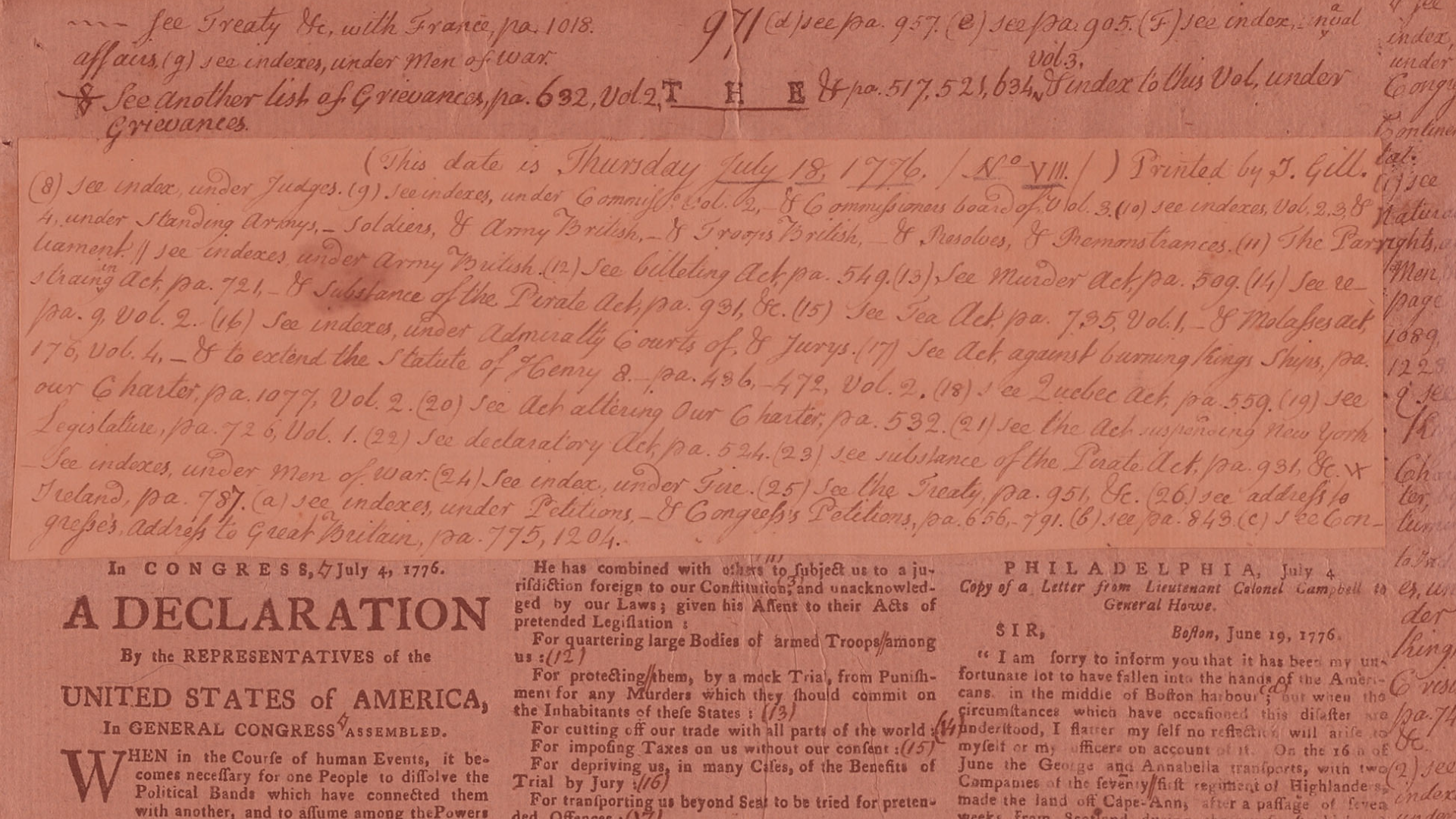
Collecting
Harbottle Dorr understood the history reflected in the content of the Declaration
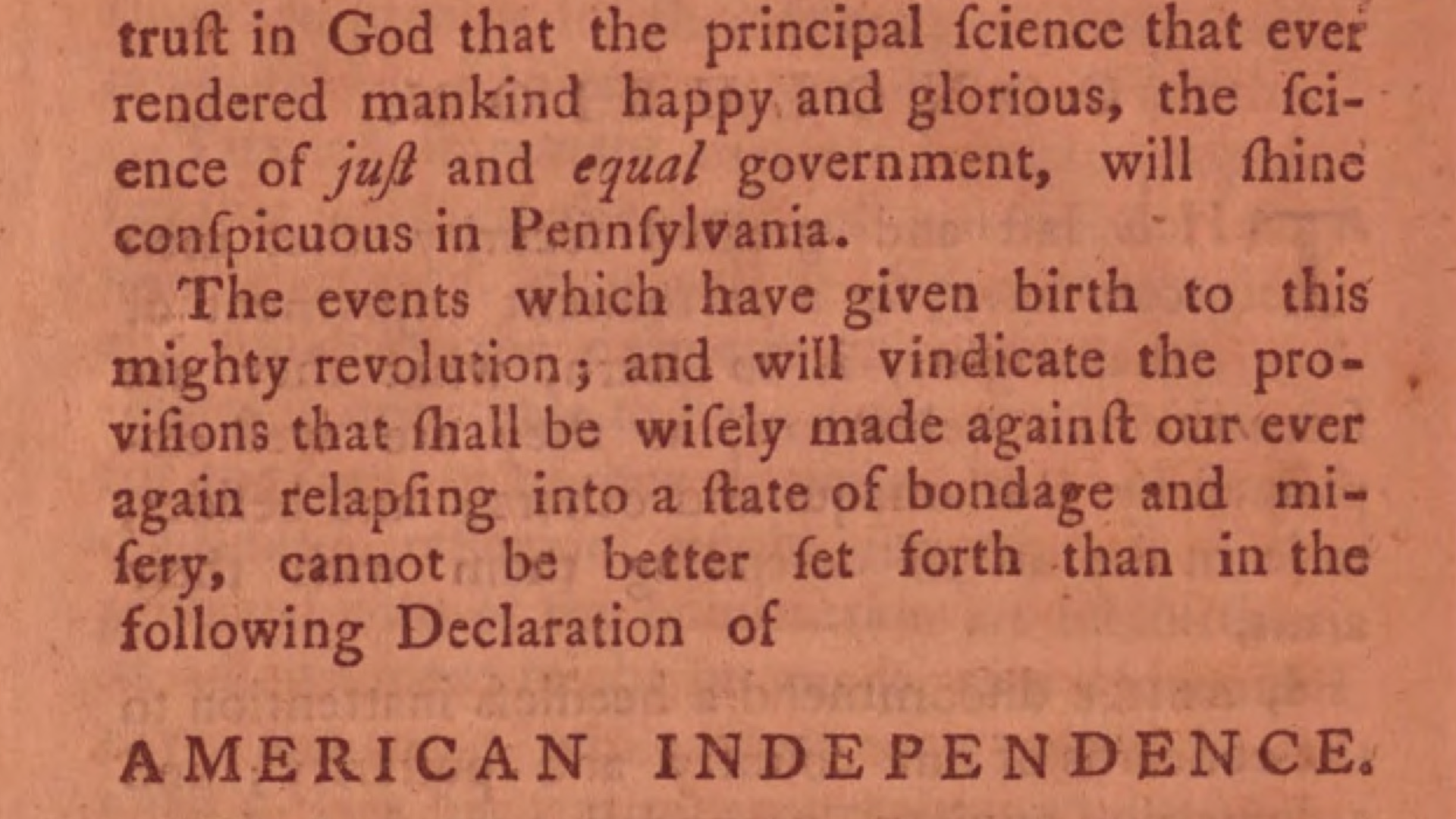
Genuine Principles
More copies of The Genuine Principles of the Ancient Saxon survive than any other early printing of the Declaration of Independence
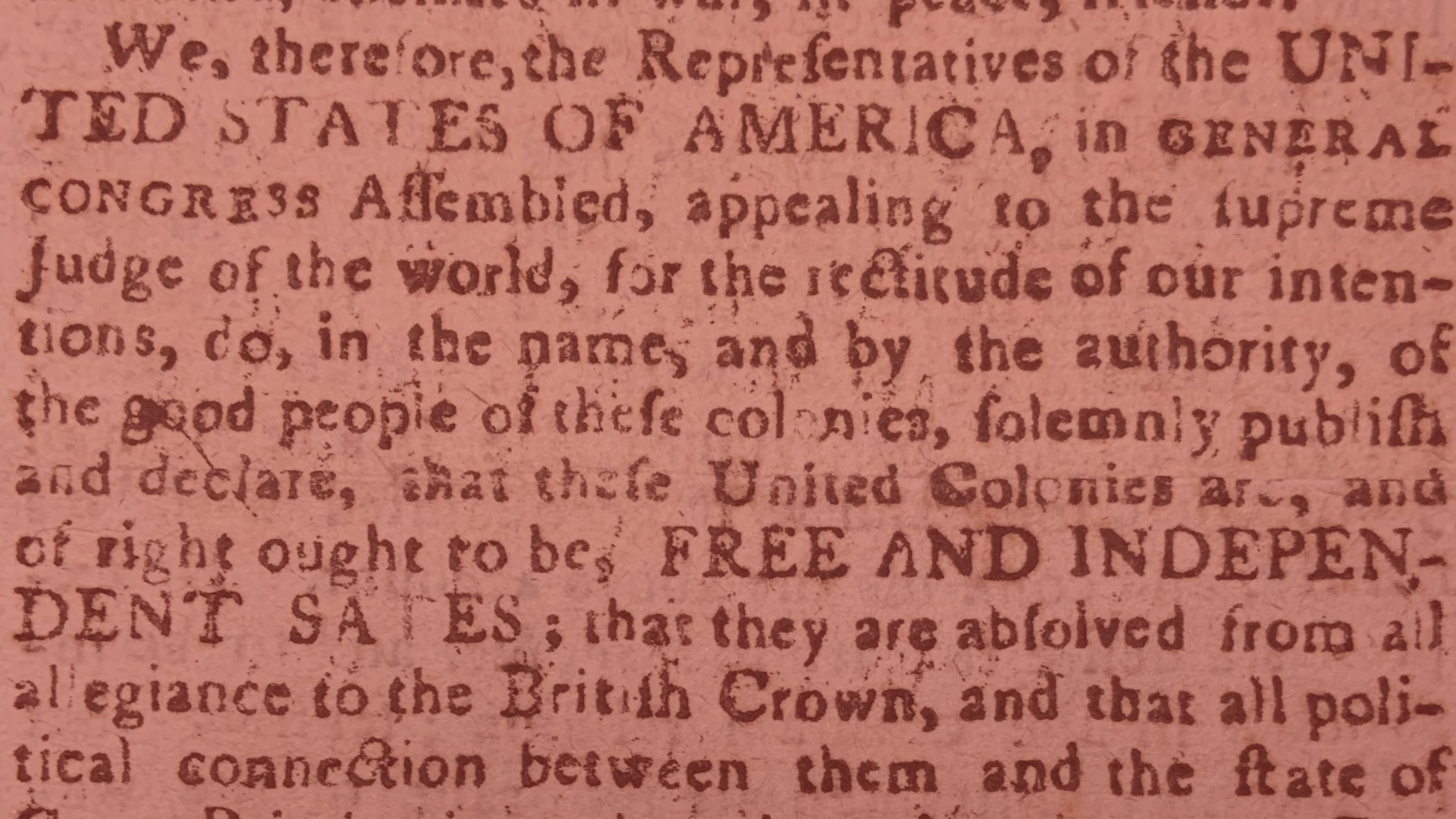
Free and Independent Sates
Although Isaiah Thomas was one of the most famous pro-independence printers in the colonies, he did not have the opportunity to print the Declaration of Independence
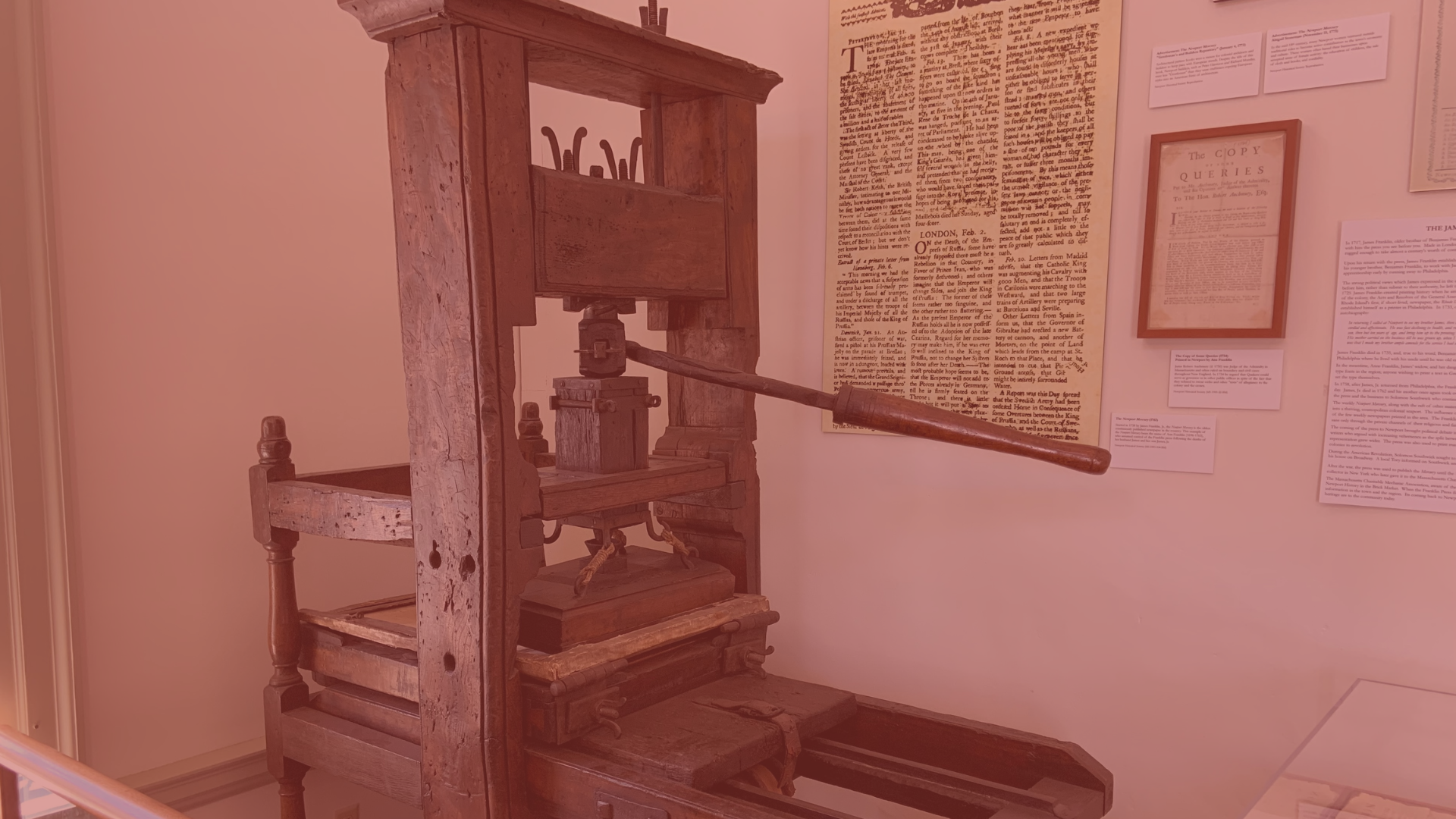
The Newport Press
Five months after he printed the Declaration, Southwick decided to leave Newport, but first, he buried his printing press
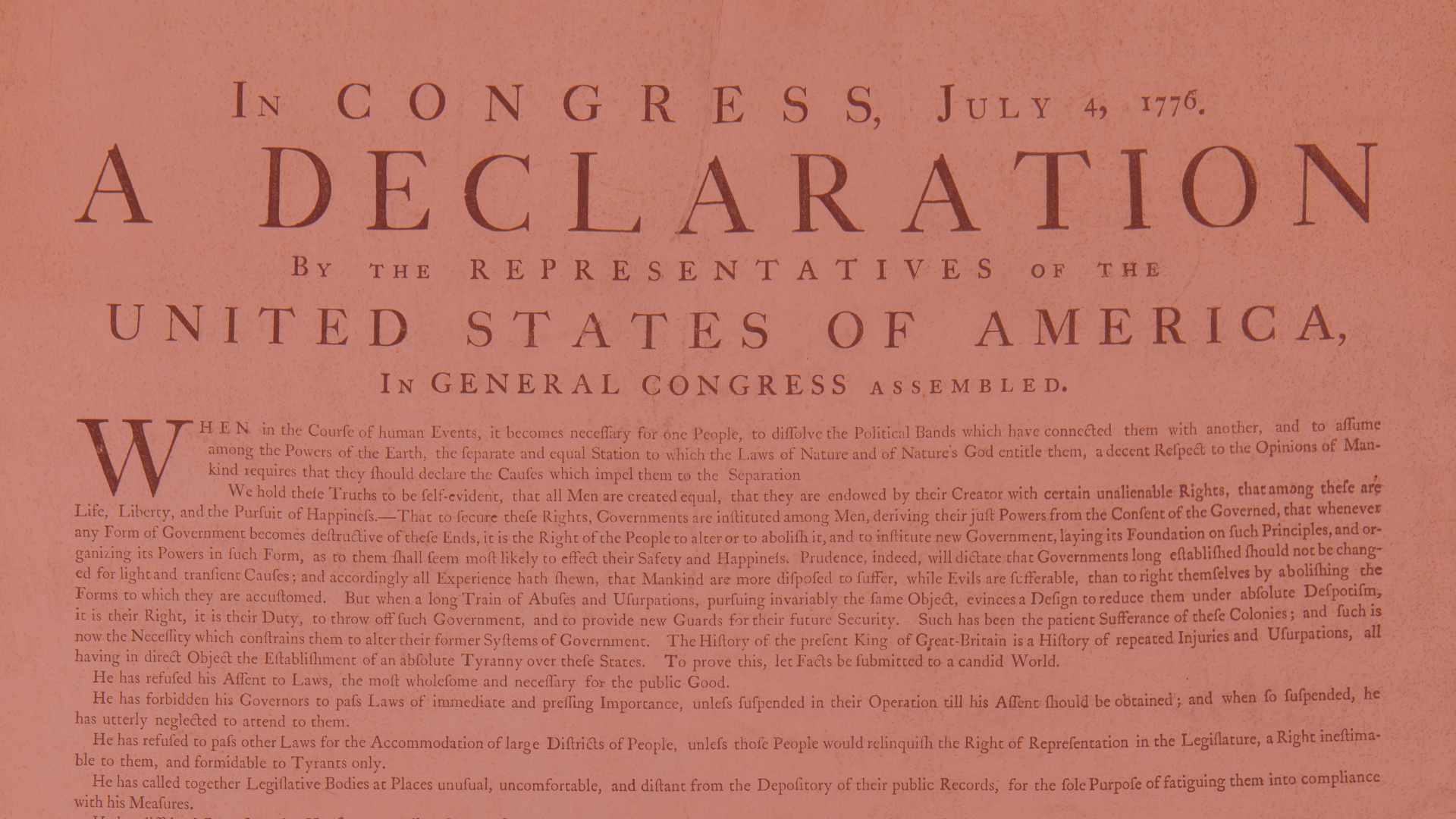
Papermaking and Parchment
The copy of the Declaration of Independence that is associated with a Rittenhouse was printed on parchment, not paper